LIFT Fellowship
We have partnered with Sierra Leone's Ministry of Basic and Senior Secondary Education to enhance capacity for effective service delivery by fostering the systematic use of evidence in decision-making and policy development, with a particular focus on advancing equity and improving learning outcomes for the most vulnerable learners.
Unlike traditional technical assistance, the LIFT Fellowship introduces a new, innovative model
Challenges in accessing and developing local talent—and a continued reliance on foreign expertise—remain barriers to transforming the education system; in response, we are re-envisioning our approach to capacity strengthening by drawing on existing expertise while investing in young, local talent for the future.
Together with the Ministry of Basic and Senior Secondary Education we launched the LIFT Fellowship—a new partnership model designed to reinforce evidence-informed decision-making, strengthen sustainable capacity, and promote the use of locally relevant evidence and knowledge to improve education outcomes in Sierra Leone.
Following a competitive process, two civil servants from the MBSSE were selected as the first LIFT Fellows. Over a 12- to 18-month period, Fellows will receive tailored learning and professional development support from Education.org as well as global and regional education experts and thought leaders, along with opportunities to connect with regional networks and events.
The LIFT Fellows will work with the MBSSE leadership, Education.org’s team and other partners to:
- Nurture a culture of evidence-informed decision-making: Expanding MBSSE’s capabilities to find, interpret, and apply evidence in national strategies, policies, and day-to-day decision-making.
- Prototype a sustainable Fellowship model: Co-creating and refining an approach to professional development and talent maturation that can be scaled or replicated in other ministries or settings, ensuring long-term institutional impact.
Three key elements of this innovative approach have been collaboratively prioritised with the Ministry to ensure sustainable change:
- Focus on local leadership: Empowering civil servants and offering a pathway for growth rather than relying on external expertise, aligning with MBSSE’s long-term goals for evidence-informed education reform
- Sustainable capacity-strengthening: Enhancing access to evidence and grown capacity to use it to support the education sector
- Locally relevant evidence: Prioritising the use of context-specific research, with Fellows bridging the gap between evidence generation and use to inform responsive, grounded policy and practice.
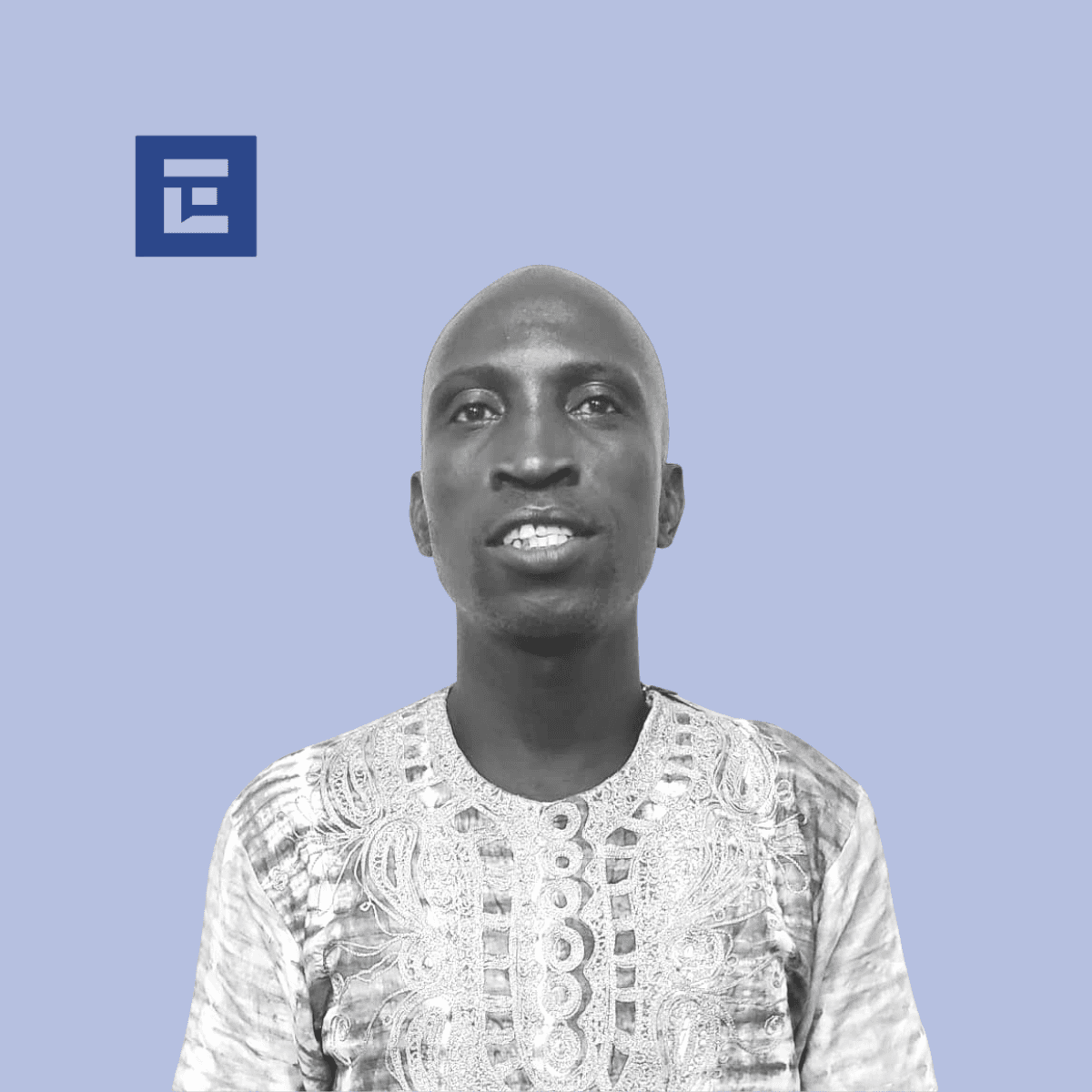
Momodu Sheku Conteh is an education professional at the Ministry of Basic and Senior Secondary Education (MBSSE) in Sierra Leone, where he works on curriculum development, educational planning, and leadership. He has contributed to key education reforms, including developing curriculum materials, supporting teacher training initiatives, and engaging stakeholders at both national and regional levels. A core part of his role involves bridging the gap between education policy and implementation, ensuring interventions align with the real needs of learners and educators.
Momodu holds a BA and a Postgraduate Diploma in Education from Fourah Bay College, University of Sierra Leone, and an MBA in Human Resource Management from Njala University. His work bridges education policy and classroom realities, ensuring reforms are evidence-based and contextually relevant. Momodu is passionate about improving learning outcomes and advancing education policies in Sierra Leone.
John Balla Marah is a Curriculum Development Officer at Sierra Leone’s Ministry of Basic and Senior Secondary Education (MBSSE), where he supports the development, review, and reform of national curricula to align with international standards while addressing the unique needs of Sierra Leonean learners. John is also attached to the National Assessment Services Unit (NASU) at the MBSSE, where he works at the intersection of curriculum and assessment, leading the development of the Continuous Assessment Handbook for Teachers, a nationwide resource that will support educators in using formative assessment to track student progress and inform instruction.
John began his career as a volunteer teacher, later serving as Head of the Language Department in the government teaching service. He holds a bachelor's degree in Linguistics with Education and a postgraduate qualification in Social Sciences from Njala University. A member of UNESCO IICBA’s Community of Practice on Competency-Based Curriculum, he is also a strong advocate for inclusive education, mentoring girls and marginalised learners through community-based initiatives.