


Faced with unprecedented challenges from escalating conflicts, climate change, population movements and the COVID-19 pandemic, global education systems are struggling to meet the needs of two billion children. Accelerated Education Programmes (AEPs) have become a key tool for providing education to out-of-school children and youth (OOSCY), including those displaced or left behind by formal systems.
Policymakers, amidst this crisis, are navigating complex decisions on initiating, enhancing, or expanding , considering the diverse curricula, teaching methods and certifications offered by various organisations. Learning from other education leaders’ experiences in these areas is crucial.
What are the common features of effective AEPs?
Successful AEPs around the world share a set of common characteristics and principles, some of which require government action to be achieved effectively and at scale. To maximise the impact of AEPs in their countries, therefore, governments will play a pivotal role in supporting critical features.
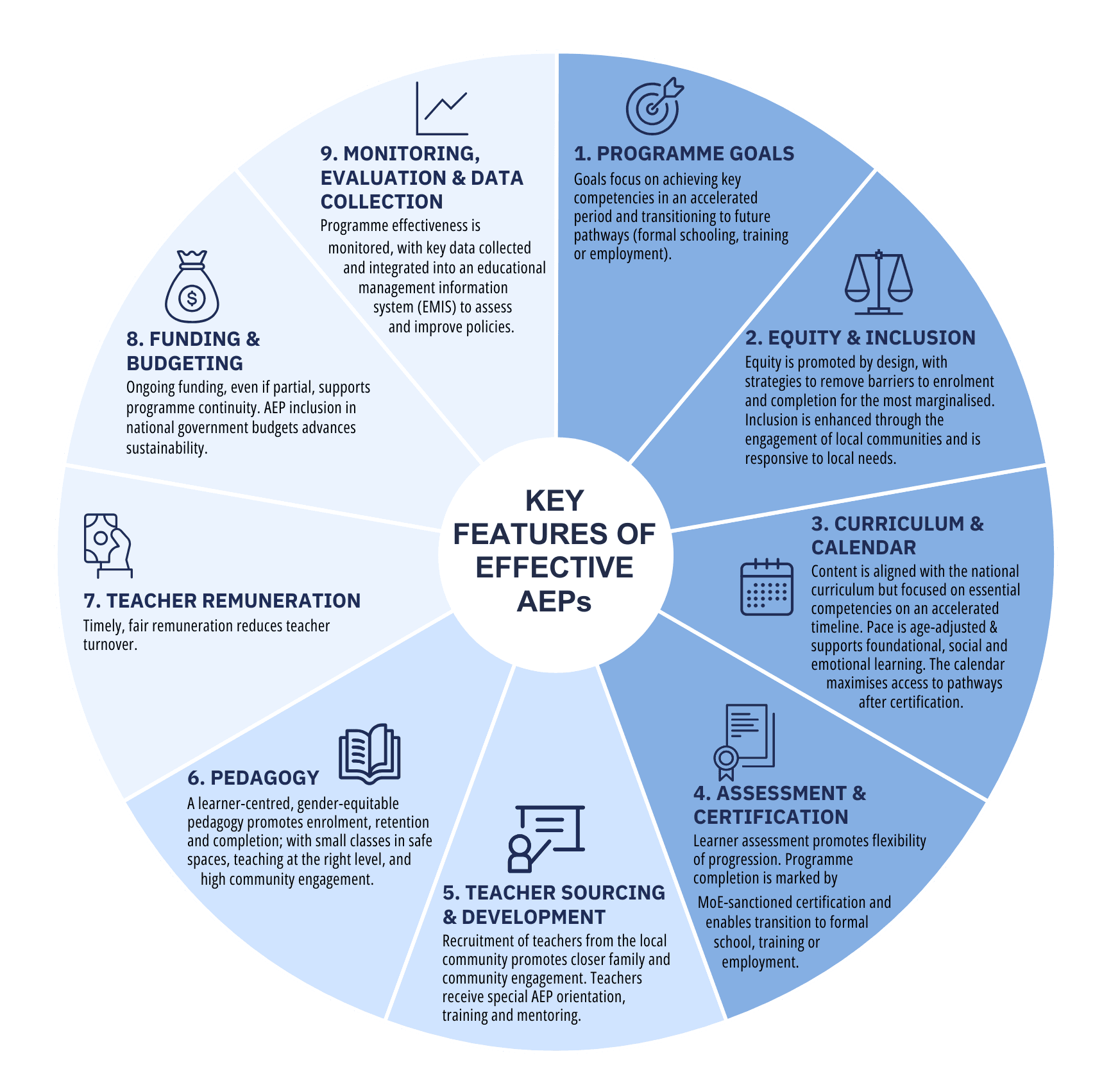
Figure 1. Nine features of effective AEPs
What can leaders do to strengthen AEP policies and practices?
Recommendation 1: Review
Effective AEPs exhibit common features in their design and implementation, and government policies can significantly enhance the impact of these shared attributes. Policymakers are encouraged to review the key AEP features to inform their national policy and guideline improvements.
Recommendation 2: Assess
Recognising that alignment between AEPs and national education systems varies across contexts, policymakers can avoid a ‘one-size-fits-all’ approach, which may inadvertently exclude some children and youth. Instead, conducting a national assessment of the current situation is advisable before planning to strengthen alignment with the national education system.
Recommendation 3: Plan
Drawing from the experiences of various countries, a phased approach to enhancing AEP alignment with national systems – based on specific needs and the different readiness levels – emerges as a best practice. Policymakers are encouraged to define a phased strategy for strengthening alignment within their national system.
Recommendation 4: Act
Countries with effective AEPs should prioritize strengthening alignment with national systems in a phased way. First focusing on essential goals (key aspects like equity and inclusion, curriculum, assessment, and certification), followed later by alignment of the other key features of successful AEPs. Policymakers are advised to formulate and implement policy actions that enhance alignment according to the priorities identified in their national assessment.
Recommendation 5: Engage
Governments can actively engage partners in a variety of ways to promote the success of AEPs. Collaboration with AEP providers, community supporters, and both national and international organisations is crucial. Policymakers are encouraged to involve a diverse array of actors throughout the AEP process to accelerate their goals.
Recommendations based on a robust research process
Recent years have seen a significant rise in global displacement due to various crises, severely impacting the education of an estimated 222 million children and adolescents. This situation, worsened by the COVID-19 pandemic, has led to a critical need for effective education recovery strategies.
In Steering Through Storms: Five Recommendations for Education Leaders to Close the Learning Gap in Times of Crisis, Education.org offers further insights for addressing these challenges derived from its comprehensive report: Accelerated Education Programmes: An Evidence Synthesis for Policy Leaders.
This synthesis is the outcome of a robust research process, including:
- A global literature review: Conducting an extensive examination of academic and professional literature worldwide.
- Crowdsourcing of evidence: Gathering innovative collections of both published and unpublished data on AEPs from 136 sources.
- National policy analyses: Performing detailed evaluations of AEP policies in eight sub-Saharan African countries (Ethiopia, Ghana, Kenya, Liberia, Nigeria, Sierra Leone, South Sudan, and Uganda) to understand the current landscape.
- Rigorous evidence evaluation: Guaranteeing the quality and relevance of information through a comprehensive organisational review.
- Country programming case studies: Investigating five pioneering AEPs, focusing on issues like scalability, teacher development, and education for children in conflict zones.
- Peer review: Ensuring validation and refinement through consultation with policy and AEP expert review groups.
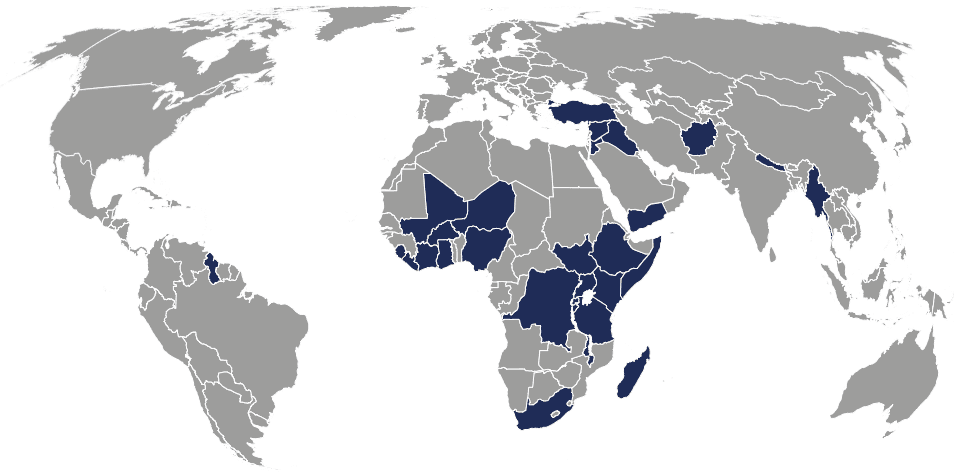
Figure 2. Geographic diversity of sources
This evidence-based guidance has contributed to the development of national AEP policy and guidelines in Kenya and Sierra Leone, and helped to shape strategies of donor organisations, demonstrating its global applicability and importance for education policymakers.